Email: mandy@shtaichun.cn Tel: +86-188-5647-1171
You are here: Home / Blogs / Product News

Latest Innovations in XPS Foam Board Technology

冷库挤塑板铺设 (2).png
Is high-density extruded polystyrene foam toxic?

Summary: High-density extruded polystyrene (XPS) foam is generally non‑toxic when left alone. Its solid form is stable, doesn't off‑gas at room temperature, and the base material is even food‑contact approved. Risks emerge during cutting (dust irritates eyes and lungs) and in a fire (toxic fumes). Always wear a mask, work in ventilated spaces, and keep heat away. Some boards contain HBCD flame retardant, which is a concern, but it stays locked inside the foam and doesn't leach out under normal use. In a fire, though, it releases hazardous gases. Installed behind drywall, XPS poses no health threat. For DIY projects, take simple precautions: don't breathe dust, avoid heat sources, and choose HBCD‑free if you're cautious. Respect the material, and it will keep you warm without harming you.

READ MORE
2026 09-10
冷库挤塑板铺设.png
Analysis of The Application of Extruded Polystyrene Boards in Cold Storage Construction And Insights into Their Advantages

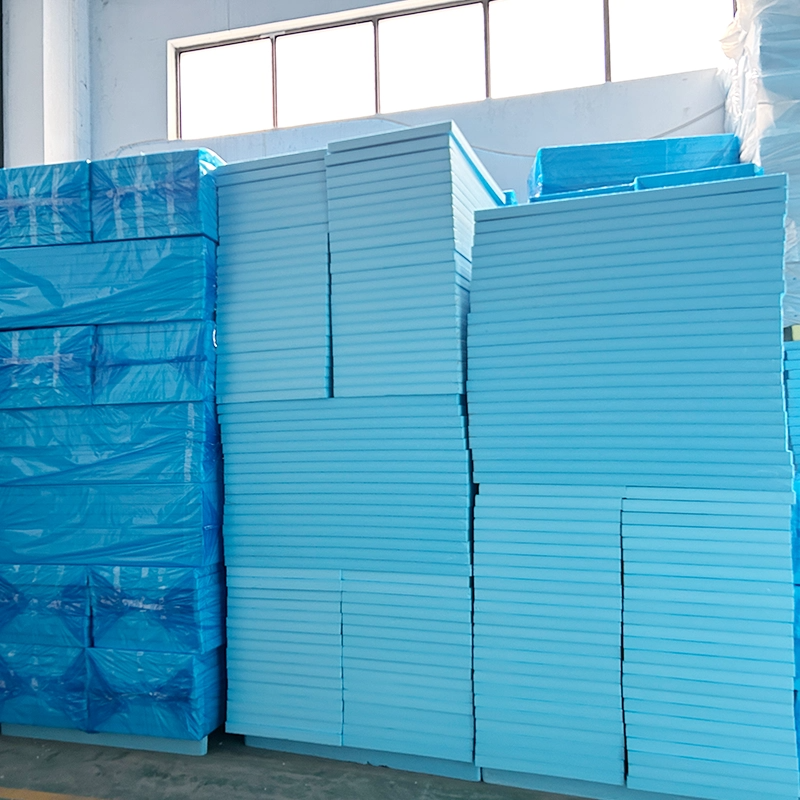
XPS is a top insulation for cold storage. With a closed-cell structure, it offers low thermal conductivity (~0.025 W/m·K) and minimal water absorption (<0.5%), resisting freeze‑thaw cycles while retaining over 98% of its R‑value. Its high compressive strength (up to 1400 kPa) withstands heavy loads and foot traffic. Installation tips: choose 50–150mm thickness based on temperature, stagger joints, seal every gap, and place the vapor barrier on the warm side. Though costlier than EPS or polyurethane foam, XPS avoids thermal drift and moisture degradation, delivering decades of stable performance. It's food‑safe and eco‑friendly with modern blowing agents, but needs a fire‑rated cover. Overall, XPS combines strength, moisture defense, and energy efficiency—making it a smart, long‑term investment for cold storage builders who value reliability over upfront pennies. Trust XPS to keep your freezer efficient and your products perfectly preserved.
 

READ MORE
2026 09-08
sc (12).png
XPS vs. EPS Insulation Board: What Specifications Should Buyers Compare?

Commercial buyers, contractors, and architects face a critical material choice. You must actively decide between Extruded Polystyrene (XPS) and Expanded Polystyrene (EPS). These materials secure the thermal envelope for upcoming construction projects.

READ MORE
2026 08-27
imgi_9_sc.png
XPS vs. EPS vs. Polyiso: Which Rigid Foam Insulation Board Fits Your Project?

Specifying building insulation carries incredibly high stakes. You select the wrong material, and moisture traps inside your walls. Hidden thermal bridging occurs rapidly. Project budgets quickly overrun due to material failures.

READ MORE
2026 08-31
sc (18).png
How to Choose an XPS Foam Board Supplier: Density, Thickness, Surface Finish, and Quality Control

Sourcing the wrong extruded polystyrene (XPS) foam boards can lead to catastrophic insulation failures. It can also cause compromised structural integrity or costly project delays. These issues heavily impact construction timelines and budgets.

READ MORE
2026 08-24
3.jpg
EPS vs. XPS for Roof Insulation: Which Board Handles Moisture and Loads Better?

Commercial and residential roof insulation carries incredibly high stakes. Facility managers and contractors constantly battle the risks of thermal bridging. You also must evaluate membrane failure from foot traffic and dangerous moisture entrapment.

READ MORE
2026 08-13
2.jpg
XPS Foam Board vs. EPS for Door Core Applications: Moisture, Fire, and Machining Considerations

For commercial and high-performance residential door manufacturers, the core material dictates long-term structural integrity. It directly impacts thermal efficiency and determines future warranty liabilities. We know door cores remain hidden from the final customer.

READ MORE
2026 08-20
3.jpg
EPS vs. XPS for Floor Heating: Thermal Conductivity, Compressive Strength, and Grooved Boards

Specifying the wrong sub-screed insulation creates massive risks for any construction project. Underfloor heating failures often lead to inefficient heat transfer, severe floor settlement, and cracked finishes.

READ MORE
2026 08-17

Fast Links

Product Category

Contact Information

 Tel: +86-188-5647-1171
E-mail: mandy@shtaichun.cn
 Add: Block A, Building 1, No. 632, Wangan Road, Waigang Town, Jiading District, Shanghai
Contact Us
Copyright © 2024 Shanghai Taichun Energy Saving Technology Co., Ltd. | Privacy Policy | Sitemap 沪ICP备19045021号-2