Expanded Polystyrene (EPS) is one of the most widely used materials in the world. From protective packaging to building insulation, its presence is everywhere. Most professionals already recognize EPS for being lightweight, affordable, and versatile. However, these common traits only scratch the surface of what EPS can truly deliver.
In reality, Expanded Polystyrene (EPS) offers additional benefits that often go unnoticed but have a major impact on construction, logistics, sustainability, and engineering. By highlighting these advantages, industries can make smarter material choices that save costs, improve performance, and support environmental goals.
This article explores four additional benefits of EPS that extend beyond the obvious, helping businesses and professionals unlock its full potential.
Understanding Expanded Polystyrene (EPS) in Modern Applications
Why EPS is More Than Just Packaging
While EPS often enters conversations as a protective packaging material, it has evolved far beyond that narrow association. Industries such as construction, automotive, marine, and healthcare are integrating EPS into critical applications. Its adaptability proves that EPS is not a single-purpose product but rather a platform material with wide-ranging potential.
Core Characteristics That Enable Versatility
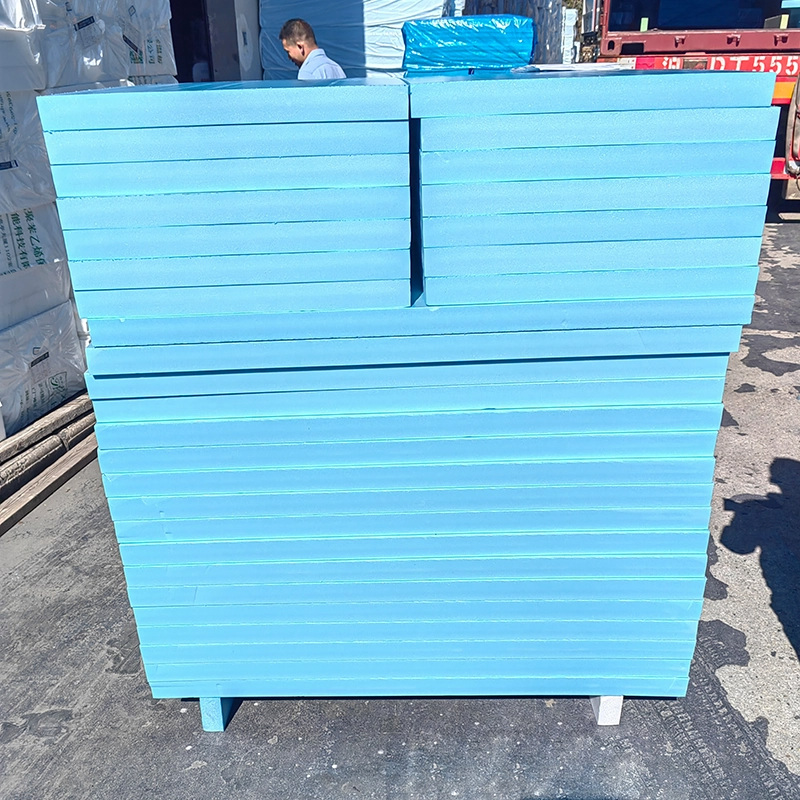
At its core, EPS is made of closed-cell beads filled with air, which gives it its lightweight yet durable structure. This unique property underpins benefits like thermal insulation, buoyancy, and shock resistance. These characteristics allow EPS to solve multiple engineering challenges simultaneously.
Industries Driving EPS Innovation
Construction, logistics, healthcare, and even agriculture are pushing EPS innovations. Whether in insulated concrete forms (ICFs), fish boxes for cold-chain logistics, or custom-molded components, industries are finding ways to leverage EPS in new contexts.
Additional Benefit 1 – Exceptional Moisture and Weather Resistance
EPS as a Protective Barrier Against Water Damage
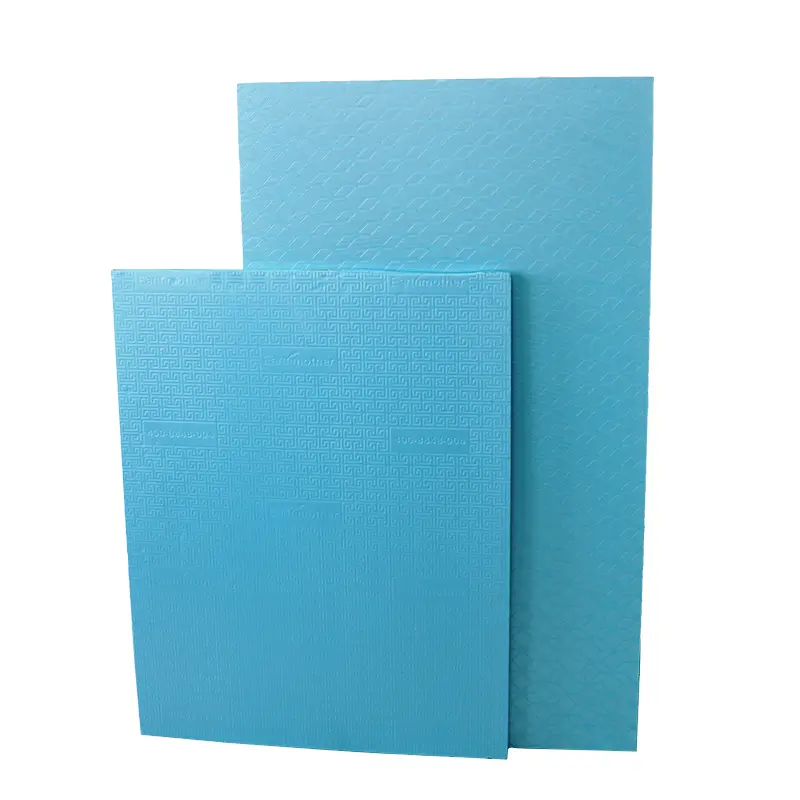
EPS is inherently resistant to water absorption, which makes it an effective barrier in environments where moisture could compromise other materials. Unlike fiberglass or cellulose insulation, EPS does not deteriorate or lose performance when exposed to damp conditions.
Performance in Harsh Outdoor Environments
From underground foundations to exposed coastal projects, EPS withstands cycles of rain, snow, and freeze-thaw conditions without cracking or warping. This resilience translates into dependable performance in climates ranging from tropical to sub-zero.
Application in Construction and Marine Projects
EPS blocks are frequently used in civil engineering projects such as road embankments, bridge supports, and floating docks. In marine applications, its buoyancy and water resistance are invaluable, reducing maintenance needs over time.
Comparing EPS with Other Insulation Materials
| Property | EPS | Fiberglass | XPS Foam | Polyurethane Foam |
| Moisture Resistance | Excellent | Poor | Very Good | Good |
| Long-Term Durability | High | Moderate | High | High |
| Cost Efficiency | High | Moderate | Moderate | Low |
In Norway, EPS blocks have been used in harbor expansions to stabilize foundations while resisting constant seawater exposure. The result is infrastructure that requires minimal repair while delivering decades of stability.
Additional Benefit 2 – Superior Cost-Effectiveness Over Time
Lightweight Nature Reduces Transportation Costs
Because EPS is composed of 98% air, it is remarkably lightweight, which translates directly into savings on shipping and handling. This makes it particularly valuable in industries like packaging, where freight cost reductions can be significant.
Longevity and Reduced Replacement Needs
Unlike organic materials that degrade over time, EPS retains its shape and performance for decades. Its long lifecycle reduces the frequency of replacements, which cuts both direct costs and operational downtime.
Energy Efficiency Savings in Buildings
When used as insulation, EPS dramatically improves building energy performance. By lowering heating and cooling demands, it reduces energy bills over decades, offering a compelling return on investment.
Comparing EPS vs. Alternative Materials in Lifecycle Costs
| Factor | EPS | Mineral Wool | Fiberglass | Polyurethane Foam |
| Initial Cost | Low | High | Moderate | High |
| Maintenance Required | Very Low | Moderate | Moderate | Moderate |
| Energy Savings Impact | High | High | Moderate | High |
| Total Lifecycle Cost | Lowest | High | Moderate | High |
Additional Benefit 3 – High Impact Absorption and Safety Performance
EPS packaging prevents breakage by absorbing shocks and vibrations during transport. Its cushioning ability keeps delicate items—from electronics to pharmaceuticals—safe from external forces. In safety-critical applications such as bicycle helmets, motorcycle helmets, and car bumpers, EPS plays a crucial role. Its energy absorption characteristics reduce injury risks during collisions. The automotive industry uses EPS in side-impact zones and headrests to absorb crash energy, proving that its performance extends far beyond lightweight packaging.
Shock-Absorption Compared to Other Materials
While cardboard or molded pulp packaging offers basic protection, EPS consistently outperforms them in absorbing sudden impacts, making it indispensable where product integrity is critical.
Additional Benefit 4 – Sustainability and Recycling Advantages
Debunking Myths About EPS and the Environment
A common misconception is that EPS is non-recyclable. In reality, EPS is 100% recyclable, and its recycling infrastructure is expanding globally. Processes such as compaction and chemical recycling have made it easier to reuse EPS in new products, from insulation boards to picture frames.
EPS waste can also be converted into energy through advanced waste-to-energy facilities, contributing to circular economy goals. By reducing heating and cooling loads, EPS insulation contributes directly to lower carbon emissions, making it a sustainable choice for eco-conscious building projects.
Comparative Table: EPS vs. Alternative Packaging Sustainability
| Sustainability Factor | EPS | Cardboard | Bioplastics | XPS Foam |
| Recyclability | High | High | Moderate | Moderate |
| Energy Efficiency Use | High | Low | Moderate | High |
| Lifecycle Carbon Impact | Low | Moderate | Moderate | Moderate |
Key Considerations When Choosing Expanded Polystyrene (EPS)
Different industries—from food logistics to construction—require specific EPS grades. Choosing the right density and format ensures optimal performance. Businesses should weigh EPS’s durability and insulation value against recycling commitments, aiming for a balance between performance and sustainability.
Look for suppliers with proven recycling partnerships, compliance with safety regulations, and demonstrated expertise in customized EPS solutions.
Expanded Polystyrene (EPS) in the Future
Emerging Innovations and Material Enhancements
Nanotechnology and hybrid composites are being explored to enhance EPS’s strength and insulation capabilities are being integrated into smart building systems, offering both sustainability and efficiency benefits.
Policy, Regulation, and EPS Sustainability Trends
Regulatory shifts are encouraging better recycling infrastructure and sustainable material sourcing, pushing EPS further into the sustainability spotlight.
Conclusion
Expanded Polystyrene (EPS) is more than a cost-effective, lightweight, and insulating material—it is a multifaceted solution with underappreciated benefits. Its moisture resistance, long-term cost-effectiveness, impact absorption, and sustainability advantages make it an essential choice for industries planning for efficiency and resilience. As recycling infrastructure advances and innovative applications emerge, EPS continues to solidify its place as a forward-thinking material shaping the future of construction, packaging, and safety.
FAQ
1. Is Expanded Polystyrene (EPS) environmentally friendly?
Yes, EPS is recyclable and contributes to sustainability through energy efficiency and circular economy initiatives.
2. What industries benefit most from EPS?
Construction, packaging, automotive, and marine industries are among the top beneficiaries of EPS’s unique properties.
3. How does EPS compare to XPS or polyurethane foam?
EPS is lighter and generally more cost-effective, while XPS and polyurethane may offer higher compressive strength in specific applications.
4. Can EPS be reused after its first lifecycle?
Absolutely—EPS can be recycled into new products or compacted for efficient reuse.
5. What is the lifespan of EPS in construction projects?
EPS used in construction can last over 50 years while maintaining its insulating and structural properties.


