- All
- Product Name
- Product Keyword
- Product Model
- Product Summary
- Product Description
- Multi Field Search


Cutting insulation foam board is simple with the right tools and a little patience. First, know your foam: EPS, XPS, polyiso, and foil-faced boards each cut differently. Gather a sharp utility knife, straightedge, measuring tape, fine-tooth saw or hot wire cutter, plus safety glasses and a mask. Measure carefully and support the board on a flat surface. For thin boards, score deeply with a utility knife and snap. For thick boards, use a fine-tooth saw with smooth strokes. A hot wire cutter gives clean edges on EPS and XPS but not foil-faced polyiso. Clean rough edges with a fresh blade or rasp, and tape foil facings. Work outside, use fresh blades, and test-fit before finalizing. If cuts are jagged, change the blade; if crooked, improve support. With practice, you'll get snug, clean pieces—and any messy cuts will be hidden behind the walls anyway.
READ MORE
XPS (extruded polystyrene) foam board is a rigid, closed-cell insulation prized for high R-value and moisture resistance, making it ideal for basements, foundations, and under-slab applications. Its environmental story is mixed: older blowing agents and HBCD flame retardants were harmful, but low-GWP alternatives, polymeric flame retardants, and better recycling are improving its profile. For safety, XPS is typically B1/B2 fire-rated, often requires a thermal barrier like drywall, and needs proper vapor management to prevent condensation. To spot fakes, check for uniform color, firm spring-back, dense cell structure, self-extinguishing flame, and complete labels. If it burns easily, crumbles, or lacks specs, don't buy it.
READ MORE
Cold foam is easy to make at home with three ingredients: 3 tbsp cold heavy cream, 2 tbsp cold milk, and 1 tbsp flavored syrup—the classic 3/2/1 ratio. Keep everything cold for best results. Froth with a handheld milk frother (15–30 seconds), shake in a mason jar (45–60 seconds), pump in a French press (30–45 seconds), or blend for larger batches. Heavy cream gives thick, creamy foam; skim milk or non-dairy alternatives produce lighter, faster-melting foam. Flavor variations include vanilla, salted caramel, strawberry, pumpkin spice, marshmallow, and maple cinnamon. Spoon over iced coffee or cold brew and sip without stirring. If foam is runny, add more cream; if too thick, you over-frothed. Avoid bland foam by sweetening to taste. In short: three ingredients, 30 seconds, and endless café-style possibilities.
READ MORE
Summary: XPS foam board warps in direct sunlight because it's a thermoplastic—heat softens it, and uneven heating does the dirty work. The sun-baked top surface expands while the cooler bottom stays put, creating a temperature gradient that forces the board to bow. Surface temps can approach 165°F (74°C), and polystyrene's softening range (90–110°C) means the material loses its flat, well-behaved shape. Dark colors, clear plastic covers, and reflective surfaces make it worse. Warping isn't just ugly; it creates gaps, kills R-value, invites moisture, and can cause system failure. Prevention is simple: cover boards with a light-colored opaque tarp, never clear plastic, and protect flat roofs within 15 minutes of installation. Early-stage warping might be eased by flipping the board or spraying water, but once the polymer chains cool into a new shape, it's permanent. Bottom line: XPS doesn't hate the sun—it just can't handle the uneven attention.
READ MORE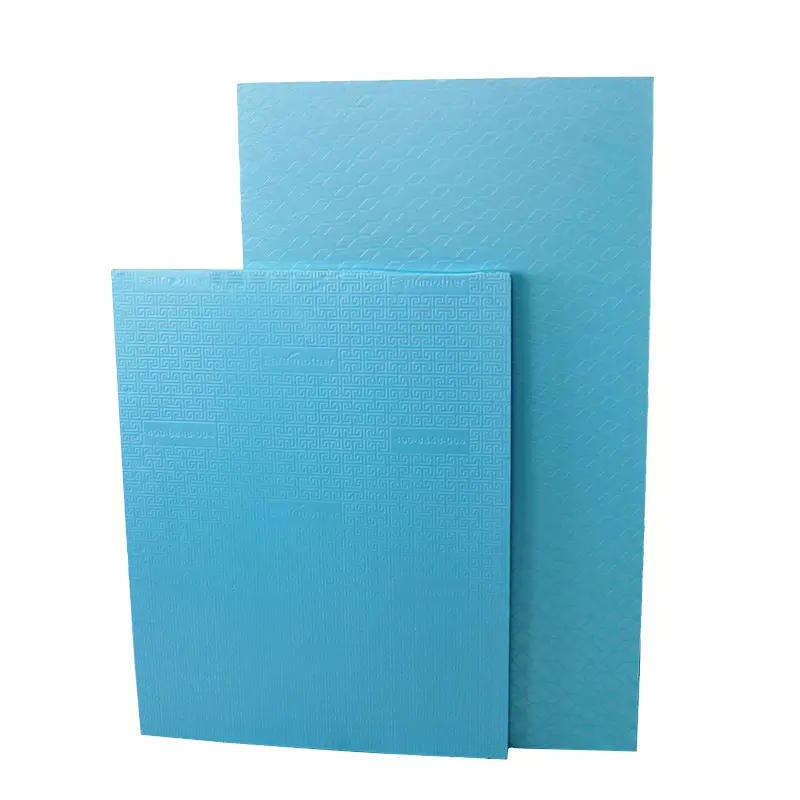
Dimensional stability stands as a critical failure point in high-performance building envelopes. Extreme temperature differentials—often called Delta-T—put immense stress on external building systems. Facility teams rely on rigid foams for their high R-values.
READ MORE
Specifying extruded polystyrene without verifying chemical compatibility can lead to catastrophic material degradation. You might experience compromised thermal performance and costly project delays. At the decision stage, selecting the right adhesives, tapes, and waterproofing coatings is critical.
READ MORE
Door delamination and structural failure represent the most severe manufacturing risks in panel production. These catastrophic failures usually stem from chemical incompatibility or poor surface preparation during assembly.
READ MORE
Manufacturing high-quality doors seems straightforward until you encounter unexpected lamination failures. Minor dimensional deviations in an XPS door core board quickly compound into critical failures during door skin lamination.
READ MORE